Download 980k Private Combolist Emailpass Zip →
A hidden feature in these Pokémon games is the ability to tell a certain NPC four specific words or phrases using the easy chat system in order to unlock special rewards. Which words are required are unique per save file.
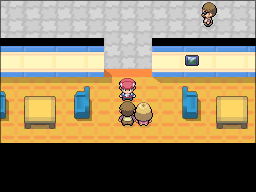
In Diamond, Pearl, and Platinum these rewards include 8 different special PC box wallpapers. The NPC to speak to is located on the 3rd floor of the Jubilife TV station.
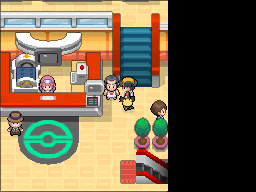
In HeartGold and SoulSilver, rewards include 8 different PC box wallpapers plus 3 different Pokémon eggs. The NPC to speak to is located in the Violet City Pokémon Center.
The original distribution of these passwords was via the Pokémon Daisuki Club, a defunct, Japanese-exclusive official fan club website.
Below is both a calculator to generate the passwords for your specific save file, an in-depth explanation of how the password check system functions, and a full dump of the relevant word data.
Download 980k Private Combolist Emailpass Zip →
: They usually appear in a simple text format like user@email.com:password123 .
: These are often recycled data from older leaks or fresh records harvested by infostealer malware from infected devices. Risks of Downloading This File Download 980K PRIVATE COMBOLIST EMAILPASS zip
A "combolist" (combination list) is a massive database of stolen login credentials—usually email-password pairs—aggregated from various previous data breaches. : They usually appear in a simple text
Downloading files labeled as "980K PRIVATE COMBOLIST EMAILPASS.zip" is due to severe security, legal, and reliability risks. Such files are typically distributed on hacking forums or Telegram channels and are central to cybercriminal activities. What is a Combolist? Combolists and ULP Files on the Dark Web: A Secondary
Combolists and ULP Files on the Dark Web: A Secondary ... - Group-IB
: Many files labeled as "PRIVATE" or "FRESH" are actually marketing tactics. They often contain stale, non-working data or are entirely fake, designed to lure users into downloading malware.
: In many regions, possessing or distributing unauthorized credentials is illegal under laws like the GDPR or the Computer Fraud and Abuse Act (CFAA) .