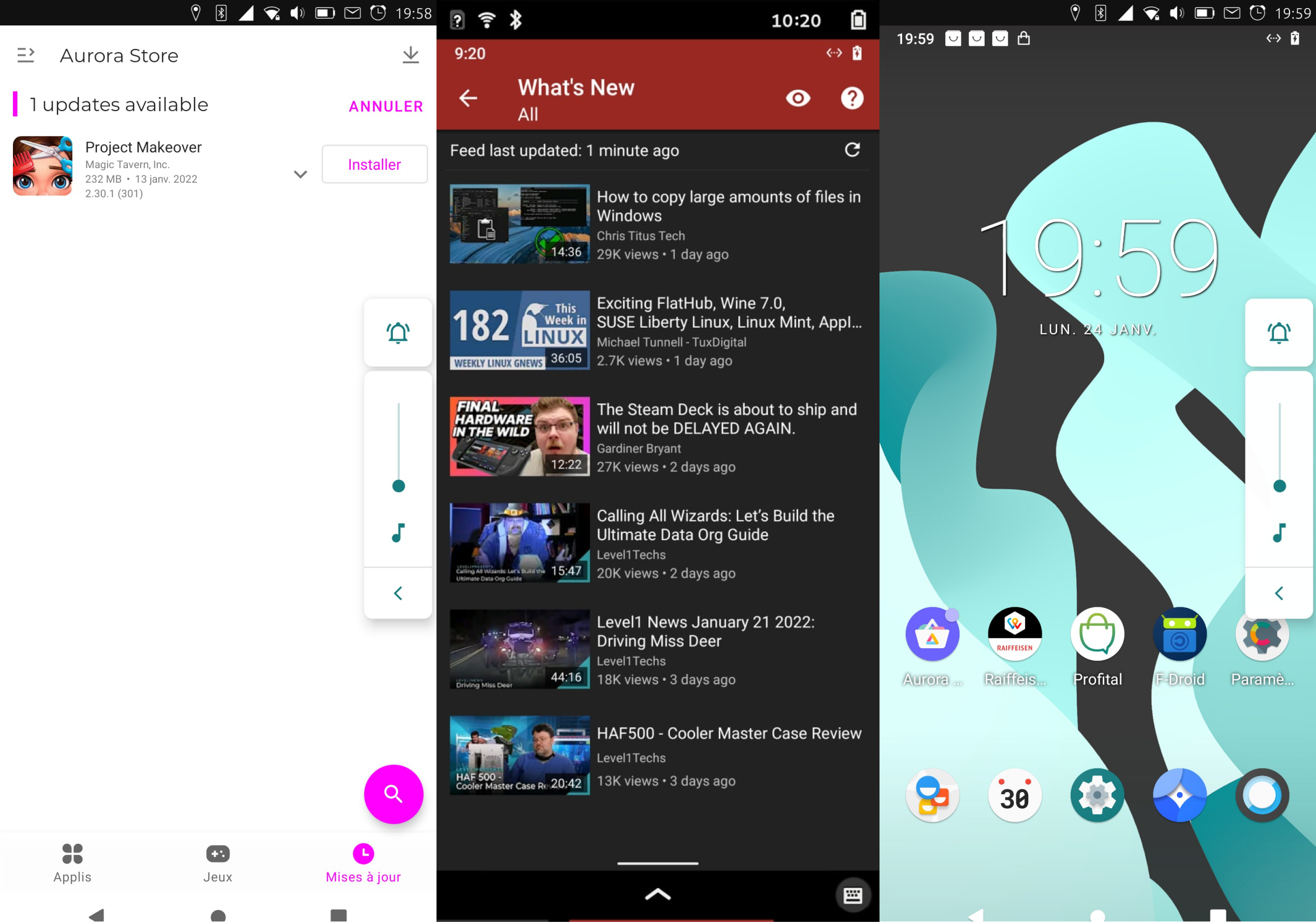
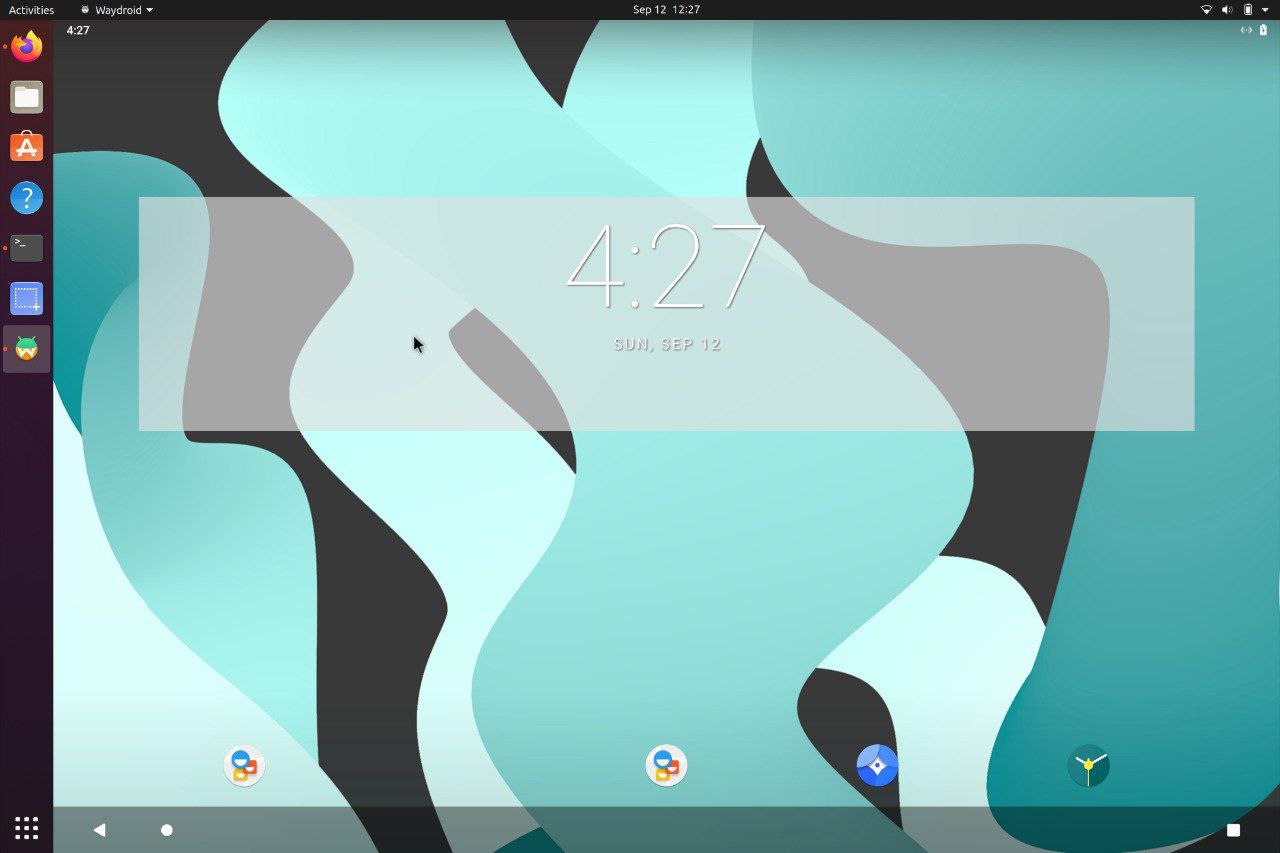
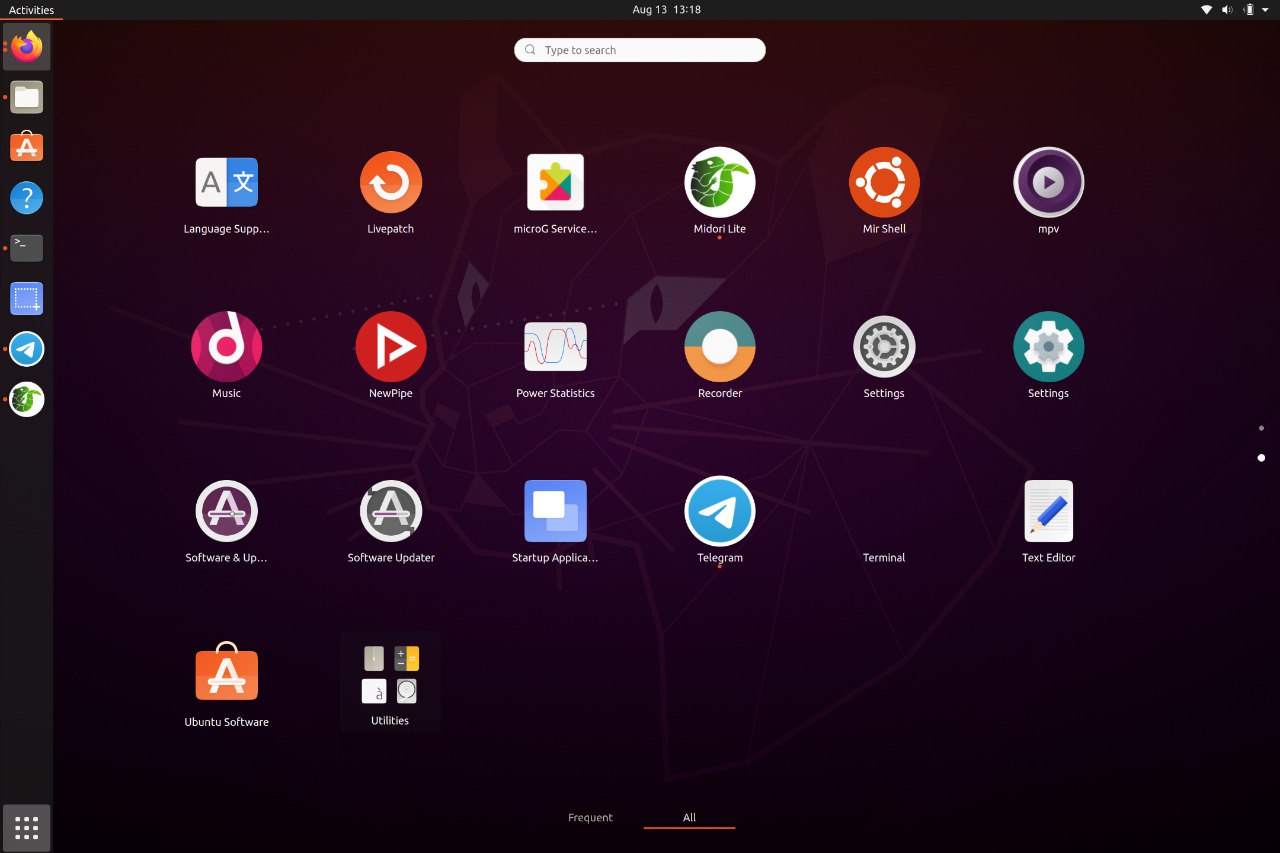
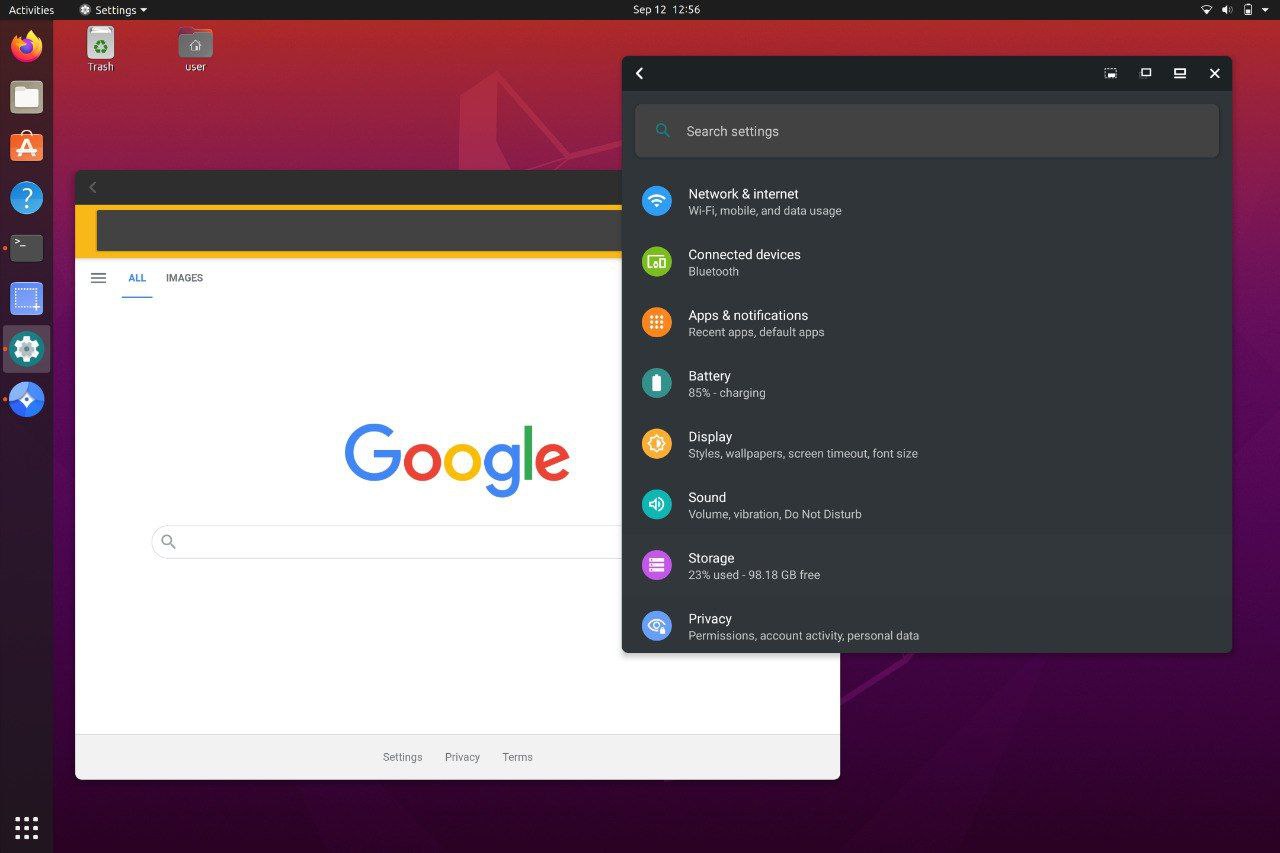
A container-based approach to boot a full Android system on regular GNU/Linux systems running Wayland based desktop environments.
He approached the counter, where a polite clerk greeted him. "I need to buy a portable Wi-Fi router," Elias said, his voice a pitch higher than usual. "Fast. Like, skyscraper-high-speed fast."
The clerk pulled out a device no larger than a deck of cards. It was matte black with a single glowing blue LED. "The 'Nomad 5G.' It connects to twenty devices and has a twelve-hour battery life," she explained.
Elias didn't wait for the full pitch. He tapped his card, grabbed the device, and sprinted toward a nearby coffee shop. He clicked the power button. The blue light blinked, then turned steady. Searching... Connecting... Connected.
He popped open his laptop. The signal bars jumped to full. With three minutes to spare, he logged into the meeting. His boss’s face appeared in high definition, not a single pixel out of place. "Elias? You're on. Let's see those plans," the boss said.
Elias wasn’t just a tourist; he was a freelance architect with a deadline that didn't care about time zones. In sixty minutes, he had to hop on a Zoom call to present the final blueprints for a sustainable library in Seattle. No Wi-Fi meant no presentation, which meant no paycheck—and likely no more clients.
Waydroid brings all the apps you love, right to your desktop, working side by side your Linux applications.
The Android inside the container has direct access to needed hardwares.
The Android runtime environment ships with a minimal customized Android system image based on LineageOS. The used image is currently based on Android 13
Our documentation site can be found at docs.waydro.id
Bug Reports can be filed on our repo Github Repo
Our development repositories are hosted on Github
Please refer to our installation docs for complete installation guide.
You can also manually download our images from
SourceForge
For systemd distributions
Follow the install instructions for your linux distribution. You can find a list in our docs.
After installing you should start the waydroid-container service, if it was not started automatically:
sudo systemctl enable --now waydroid-container
Then launch Waydroid from the applications menu and follow the first-launch wizard.
If prompted, use the following links for System OTA and Vendor OTA:
https://ota.waydro.id/system
https://ota.waydro.id/vendor
For further instructions, please visit the docs site here
He approached the counter, where a polite clerk greeted him. "I need to buy a portable Wi-Fi router," Elias said, his voice a pitch higher than usual. "Fast. Like, skyscraper-high-speed fast."
The clerk pulled out a device no larger than a deck of cards. It was matte black with a single glowing blue LED. "The 'Nomad 5G.' It connects to twenty devices and has a twelve-hour battery life," she explained.
Elias didn't wait for the full pitch. He tapped his card, grabbed the device, and sprinted toward a nearby coffee shop. He clicked the power button. The blue light blinked, then turned steady. Searching... Connecting... Connected.
He popped open his laptop. The signal bars jumped to full. With three minutes to spare, he logged into the meeting. His boss’s face appeared in high definition, not a single pixel out of place. "Elias? You're on. Let's see those plans," the boss said.
Elias wasn’t just a tourist; he was a freelance architect with a deadline that didn't care about time zones. In sixty minutes, he had to hop on a Zoom call to present the final blueprints for a sustainable library in Seattle. No Wi-Fi meant no presentation, which meant no paycheck—and likely no more clients.
Here are the members of our team